
Breaking the Chains of Injustice: the voice of rural women
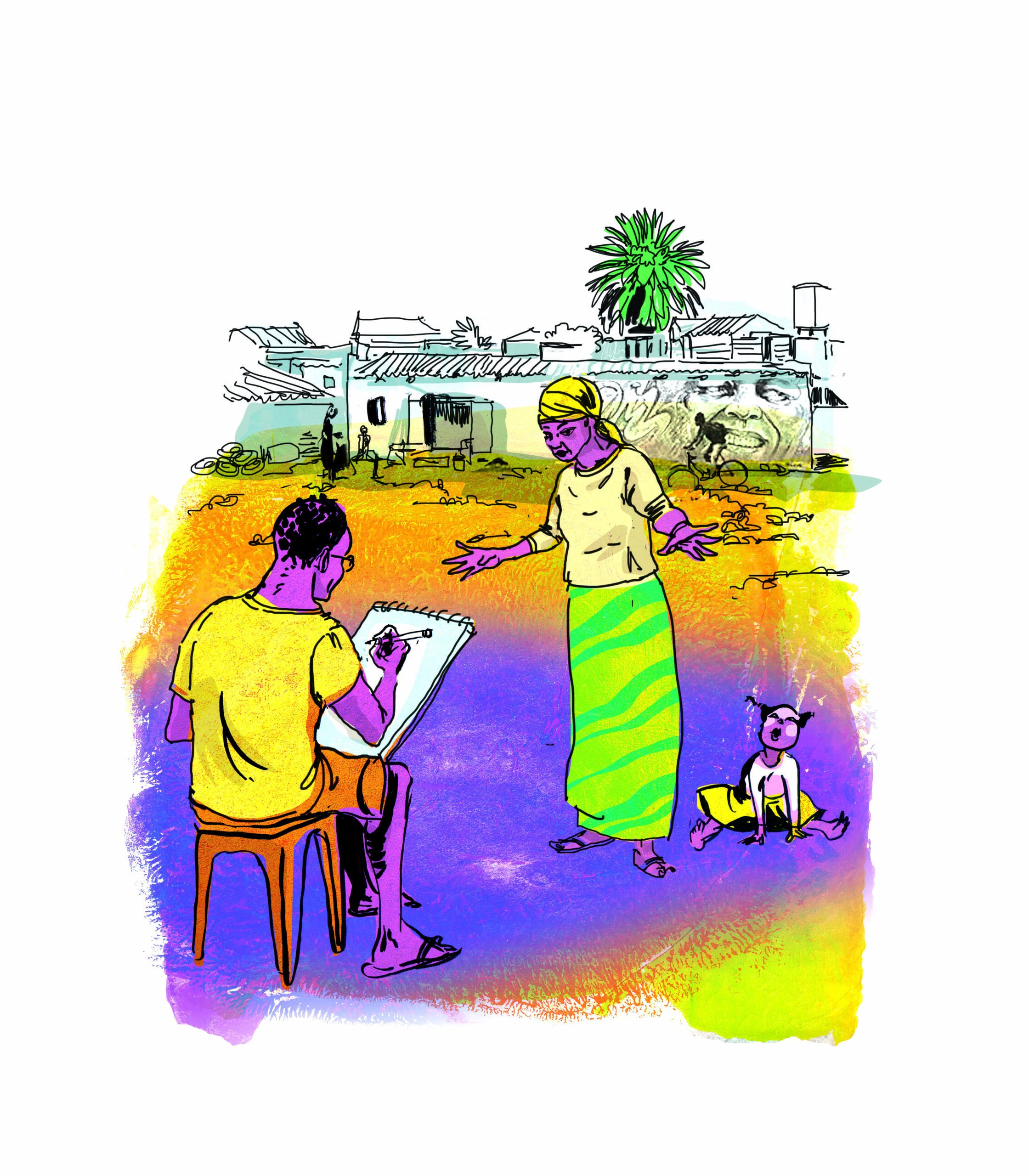
Gender-based discrimination remains a widespread practice in Senegal and around the world. Relations between men and women are marked by numerous inequalities: access to land, to production resources (water, animal reproductive materials, plant protection products, and other agricultural inputs), to credit, education, training, and information.

We all have something to pass on

Caroline and Annie, two young women – one a mother of three children and one a mother of four – were on their way home after buying “le pain couchée” or the “gone-to-bed bread”, as they say in the Ivory Coast. This day-old bread is sold at a low price in the impoverished area where … Read more

Thydêwá, Hope of the Earth

I was born in Argentina but moved to Brazil when I was twenty-five. I was attracted to the wisdom and spirituality of the most wounded peoples. However, my life changed when Brazil and Portugal celebrated the 500th anniversary of the “discovery of the Americas”. Three thousand people took to the streets to protest, and the … Read more

Jeevan Verma, a rose among the thorns

My name is Jeevan Lal Verma. I was born in the village of Sunargaon, situated in the Kanda district in the foothills of the Himalayas (North India). My family, inhabitants of this region for generations, were jewellery makers. Our village, Sunargaon, derives from the name of my family’s jewellery shop- Sunar. After finishing my studies, … Read more

I want to play a role in this Fourth World

My name is Susanne Privitera. I live in Switzerland, and I am a member of the Forum on Overcoming Extreme Poverty. I’m part of this network because of an “instinctive” feeling within me since I was a child. In Switzerland, we face long-term social injustice. For example, since the 1960s, unfair work regulations related to … Read more

I feel humbled to have known these families

I am now a consultant in a College of Social Work in Mumbai. I first started as a community organizer and then as social worker, working in an urban slum with grass root communities of different religions and caste, particularly the schedule caste of “cobblers”. The mothers were domestic workers in the ‘well to do’ … Read more